
Natural Hero Expedition
In collaboration with ARTIS
Hi, Hero
.avif)
.avif)
Seven animals. Seven superpowers. Which story will you discover first?






.svg)
.svg)
Seven animals. Seven superpowers. Which story will you discover first?
This painting, ‘The Garden of Eden’, shows us what we knew about animals more than 400 years ago. Since then we have discovered a lot!
Want to take a closer look?
A lot of people are scared of snakes. But did you know that we can use the venom of snakes in life-saving medicines?
People have long believed that all swans are white. That is why black swans were never pictured. Until someone discovered a black swan in 1696!
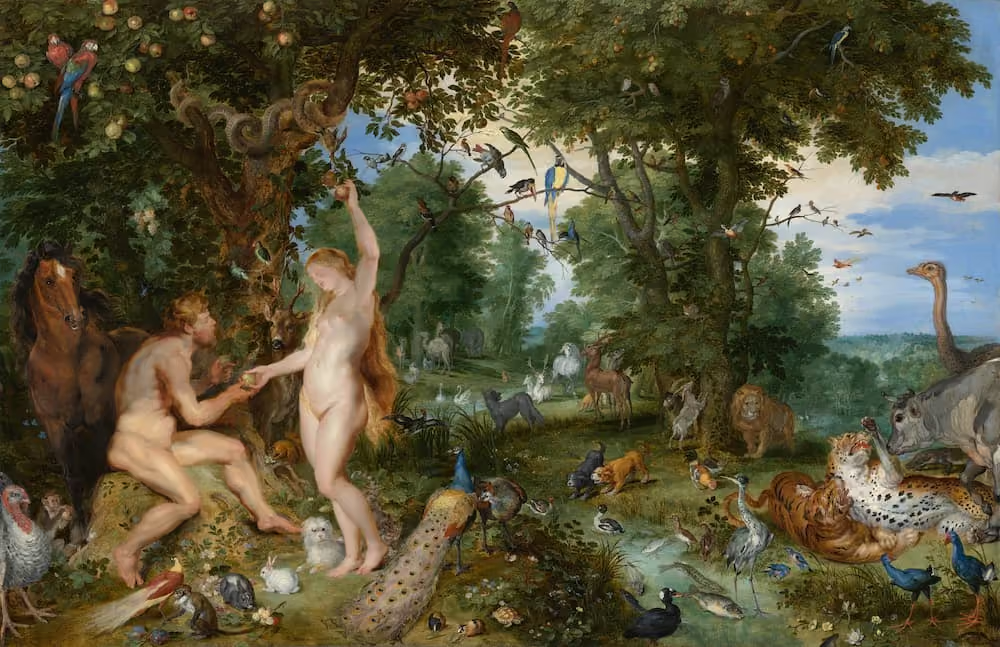
Mauritshuis, The Hague
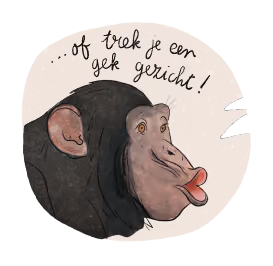
We discovered that humans and other apes are very alike. Chimpanzees, for example, live together in groups with rules and relationships. They use tools, communicate, and care for each other.
Fish swim, water moves, and seaweed sways. Under the sea, nothing stays still. The ocean is always moving and this brings changes. Some animals change too.
Ready to dive into their stories?
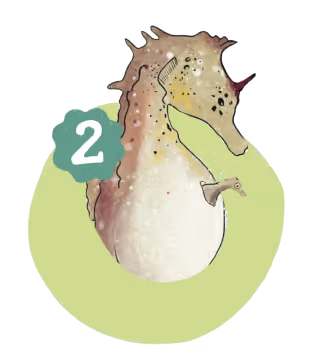
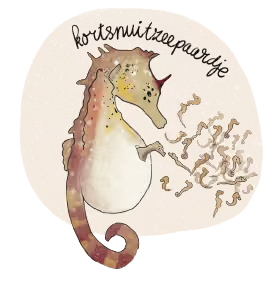
For seahorses, the male carries the babies instead of the female. The male has a pouch on his belly, in which the mother lays her eggs. The baby seahorses grow up in the pouch. After a few weeks, the seahorses are born, hundreds at a time!
.avif)
.avif)
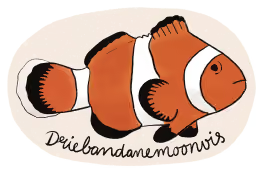
All common clownfish come into this world as male. When the leading female of the group dies, the largest male can change its gender and becomes the new leading female!
.avif)
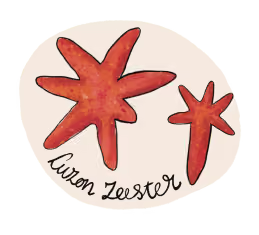
Starfish can choose to detach an arm, out of which a whole new starfish grows! This way they can reproduce on their own.
No one is exactly the same in the animal kingdom. Animals may look like each other from afar, but when you look and listen closely, you discover differences. Just like humans, other animals recognize each other by these special differences
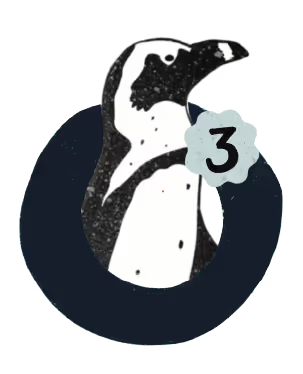
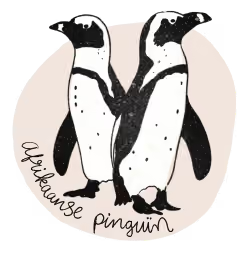
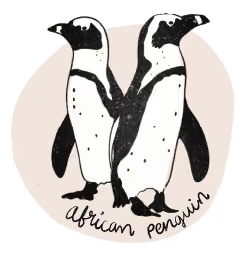
Penguins live together in huge colonies, sometimes with thousands at the same time. To us, they may all look alike, but they know exactly who is who. How? Every penguin has its own unique call!
.avif)
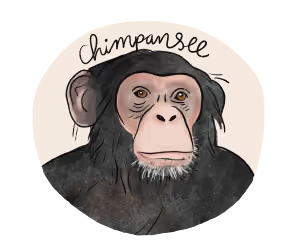
Chimpanzees recognise each other by their faces. Every chimp has a unique face, just like us humans.
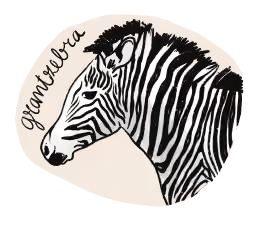
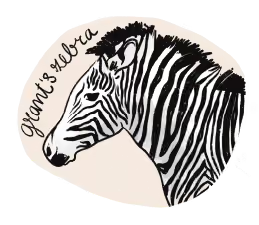
All zebras have a different pattern of stripes, just like all our fingerprints are different! Zebras use this pattern to recognize each other.
Families come in different shapes and sizes. Some children grow up with two fathers, two mothers, a father and a mother, one parent or other people that care for them. Let's discover the many different kinds of families in the animal kingdom!
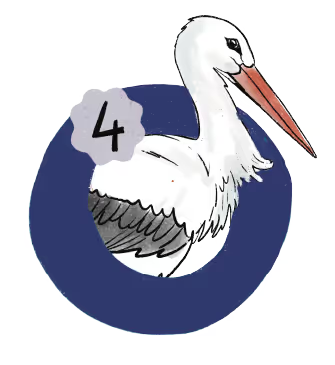
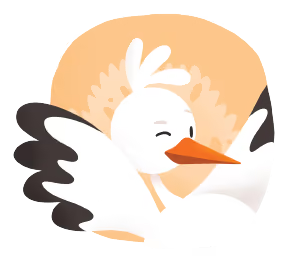
This is Storkie, a young stork. Storkie wonders if they will have a stork family when they grow up, with a daddy, mommy and a baby, just like their parents. In search of the answer, Storkie discovers that there are many different kinds of families.
.avif)
Grizzly bear mothers have strong bonds, travel together and raise their young together.
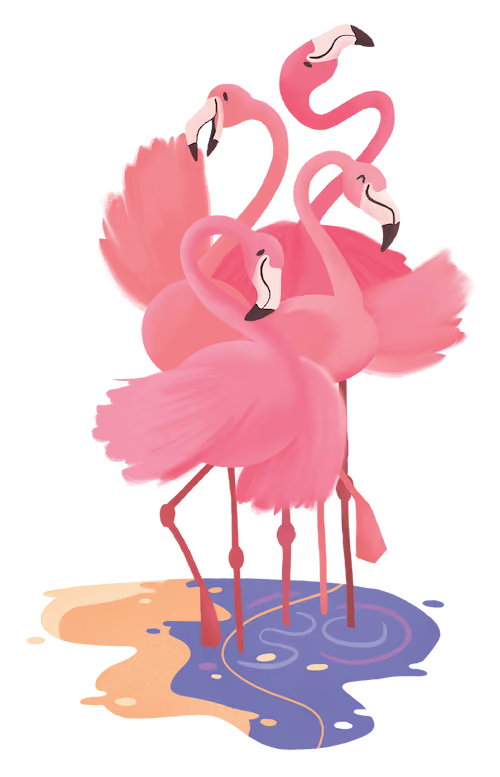
Flamingos form a pair without caring about their partner's gender, as long as they are pink. They eat and travel together, raise their young together and sleep side-by-side.
%20(1).avif)
Some grey kangaroos are intersex: this means they have characteristics that are not typically male or female.
There are so many things you can like about someone. Maybe they are funny, calm, tough, gentle, colourful or just very different from you. In the animal kingdom, love may take many different shapes. If you look closely, you will discover that there is not one right way to belong together.
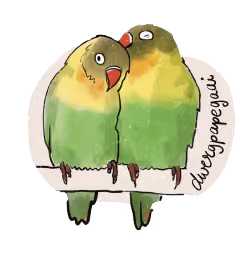
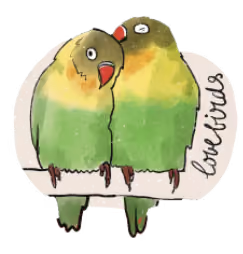
This small colourful parrot is called a lovebird. This name suits them well: these birds build nests together, clean each other's feathers and are often side by side. Sometimes females form pairs together.
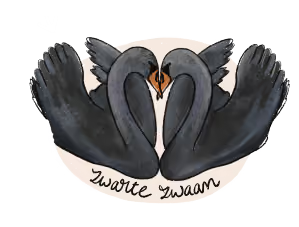
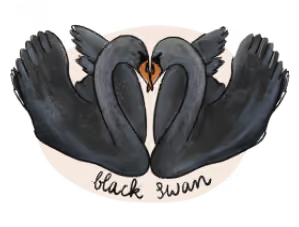
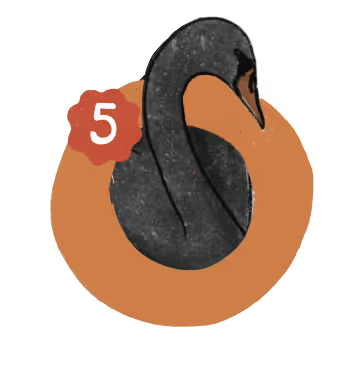
About 1 in 4 black swan pairs consists of two males. Sometimes they will take over a nest of another pair. Sometimes they will form a group with a female. When she has laid her eggs, she will leave. The two fathers then care for the eggs and chicks.
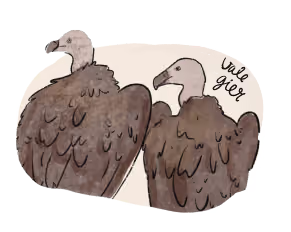
At one zoo, two male griffon vultures had been a pair for many years. Their keepers gave them an egg from another vulture pair that could not care for it. Thanks to their care, the chick grew into a healthy young vulture.
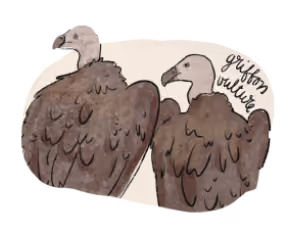
The animal kingdom knows many different forms of families. Sometimes the father leads the group. Sometimes the mother or grandmother. And sometimes they all care for each other.
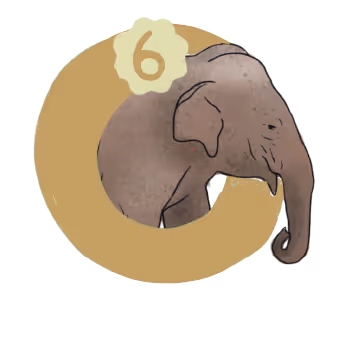
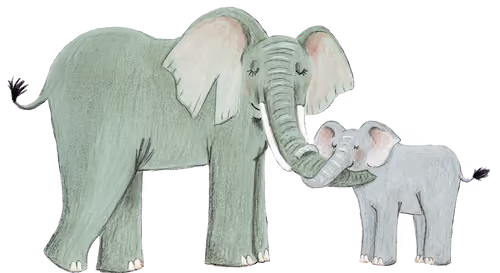
Elephants live together in tight family groups, in which mothers, aunts and sisters raise the young elephants together. The so-called matriarch is the leader because of her wisdom, experience and caregiving. She keeps the herd safe, close together and strong!
%20(1).avif)
Teamwork is very important in a pack of wolves. The leading pair, the alpha wolves, is chosen by their experience and their care for the pack.
Lionesses live together, hunt together and care for their young together.
.avif)
Females often lead the group of ring-tailed lemurs.
%20(1).avif)
Many animals show the world who they are. They express themselves without words, with colours, sounds, dances, movements and special shapes.
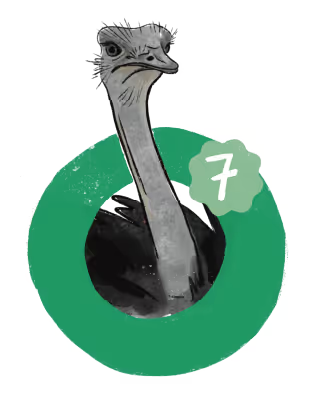
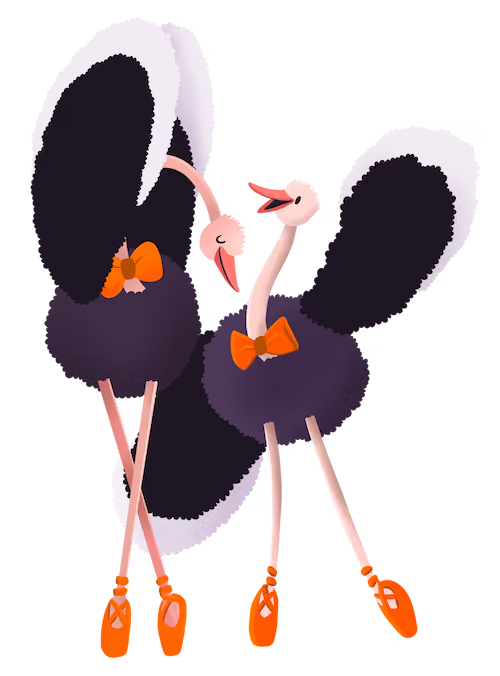
Oliver and Elio Ostrich are a beautiful pair. You can see it when they dance: for each other they care. For ostriches, some males are only interested in other males. They even dance a special male-to-male breeding dance.
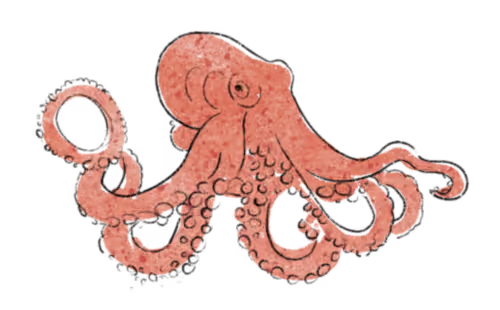
An octopus can quickly change its colour and pattern. Sometimes to hide, sometimes to communicate.
A caterpillar changes completely into a butterfly. Sometimes you can discover new things about yourself.
.avif)
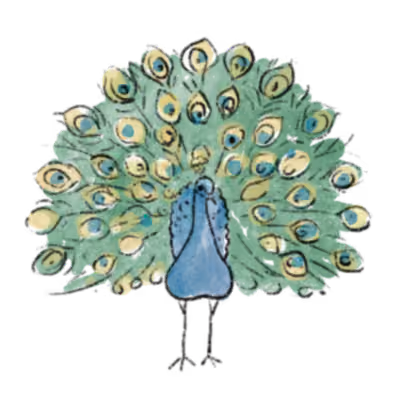
The male peacock raises his tail feathers in a dance show. Some animals make an impression with colour or movement.
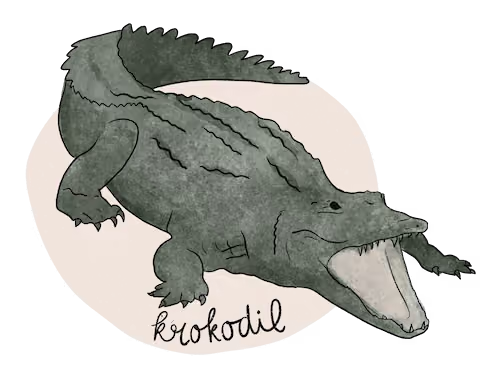
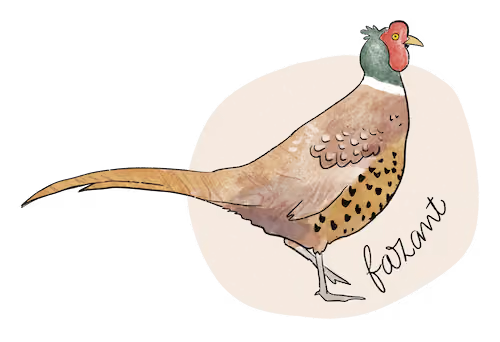
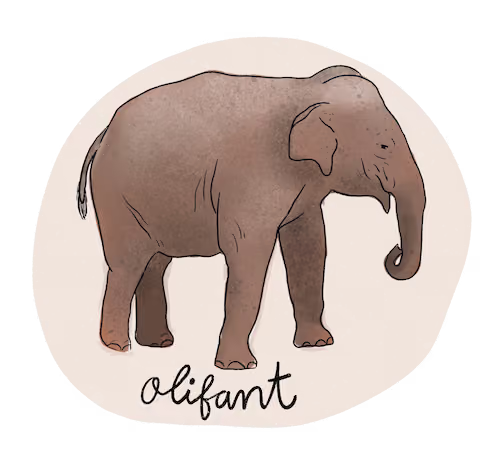
On this painting, you can find more than 100 different animals! If you look closely, you discover more and more. Some animals are obvious, while others take some more time to find.
.avif)
.avif)
.avif)
.avif)
.avif)
Mauritshuis, The Hague
Zeno the Seahorse gave birth to hundreds of babies. No one is the same! Can you help Zeno name the baby seahorses?
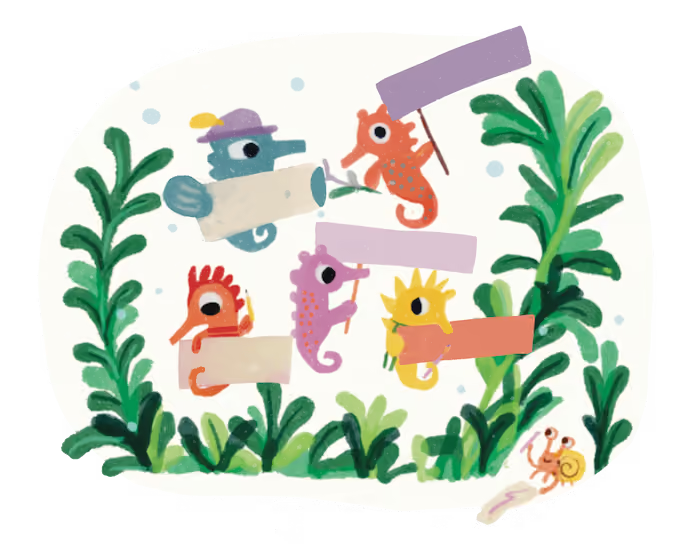
Read and listen along to the story of Zeno the Seahorse.
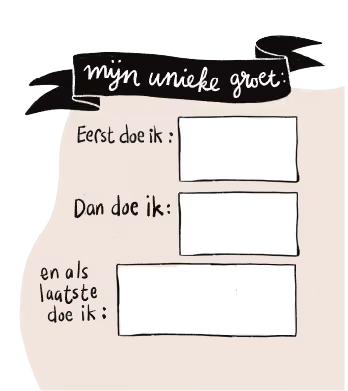
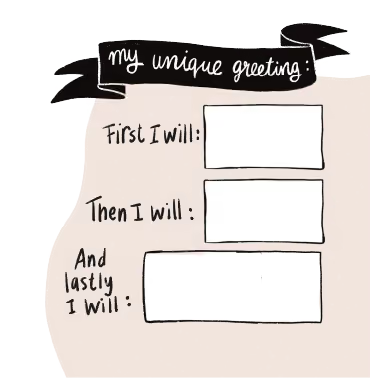
Animals recognise each other by a sound, smell or a special greeting. Let's create a unique greeting of your own!
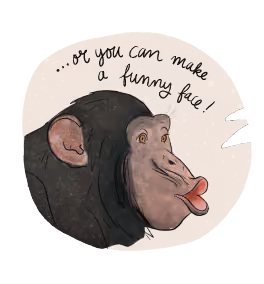
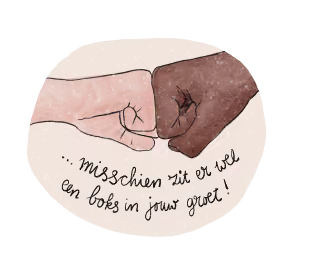
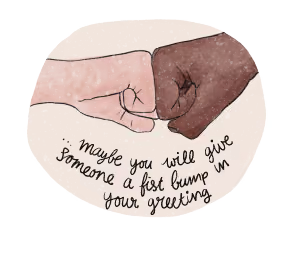
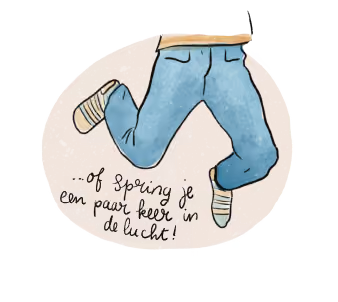
Read and listen along to the story of Quinn the King Penguin.
Every family is different! What does your family look like? Take a piece of paper and draw yourself together with your family.
%20(1).avif)
Read and listen along to Storkie's story.
Love comes in all shapes and sizes, and you may feel love for anyone and anything you want. Who and what do you love?
Draw a picture of everything you love!
Read and listen along to the story of Sebastian the Black Swan.
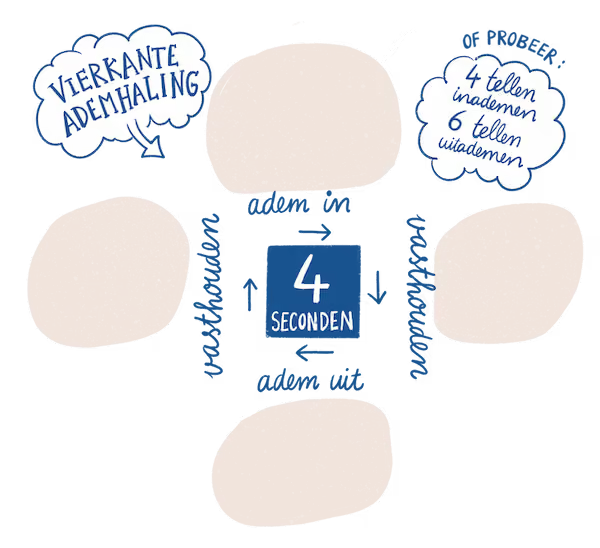
Sometimes you may feel a strong emotion. Maybe you feel very happy, or maybe you feel quite angry. When you are angry, it may be difficult to feel happy again. With square breathing, you can stay calm in tense situations, which is an important skill for a leader!
Will you breathe with us?
.avif)
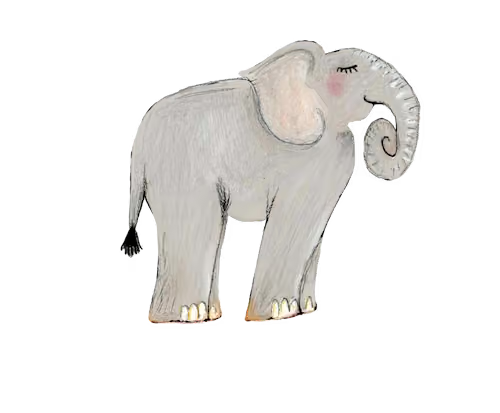
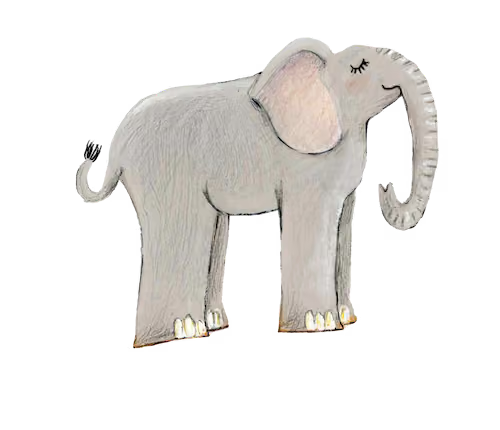
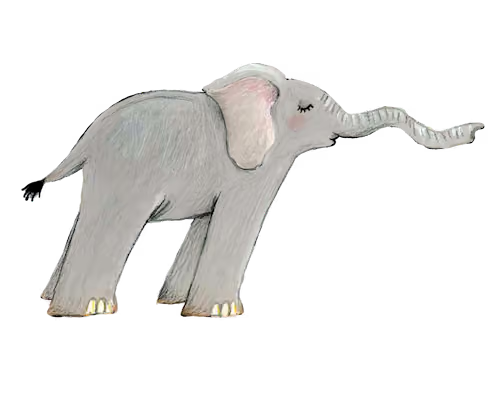

Read and listen along to the story of Obi the little elephant.
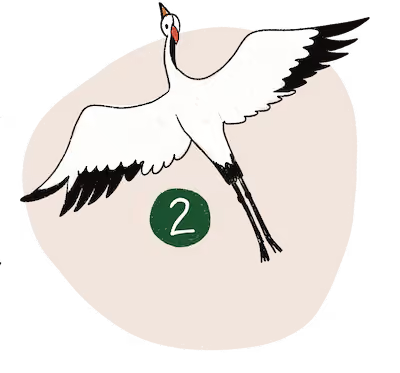
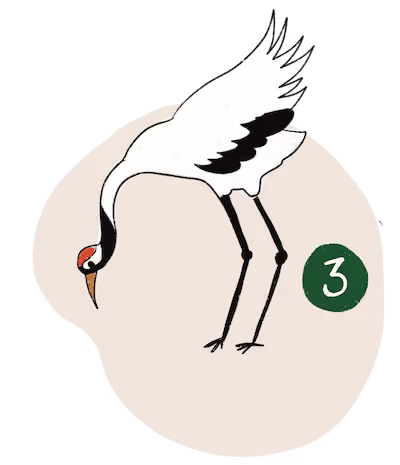
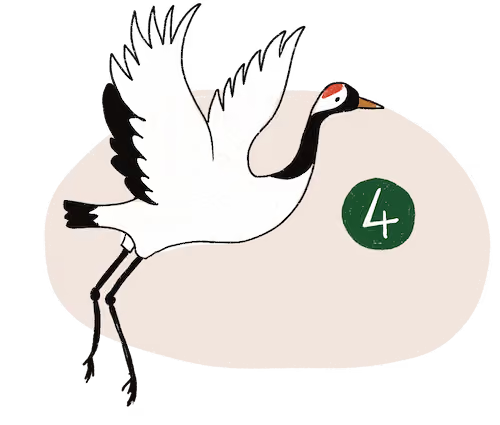
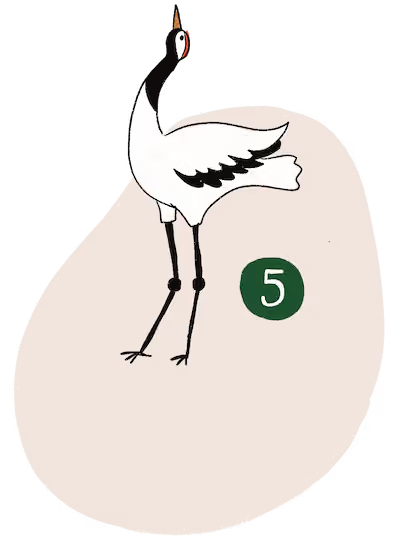
Just like ostriches, red-crowned cranes perform intricate dances. In pairs, they jump, bow and dive around each other. When one pair starts, the rest follows swiftly!
Come dance like a red-crowned crane!
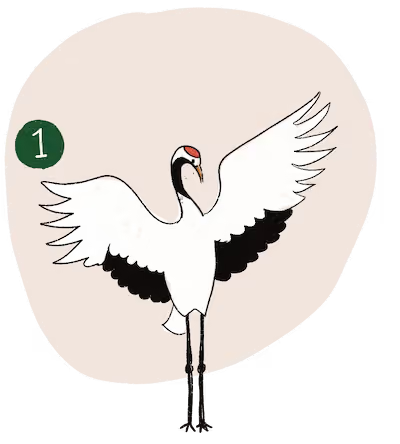
First, spread your arms wide, like the crane opens its wings.
Then you run, flap your arms and glide.
Then bow very deep.
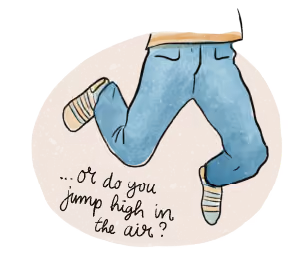
And jump in the air!
Lastly, arch backwards.
Now you can dance another round!
.avif)
During this expedition, you discovered the power of differences! Everyone grows, learns, feels, and expresses themselves in their own unique way.
My hero promise:
I, hero, promise to be myself and use my superpowers to help make the world a better place!
Open your eyes and ears
No one in nature is the same
You are unique
Be a hero, be yourself
You can love anyone
Everyone an be a leader
Show who you are
You have almost completed the expedition. Just one final mission: help us make the expedition even better.
Answer questions

.avif)
.avif)
.avif)
.avif)